
 Polski
- New
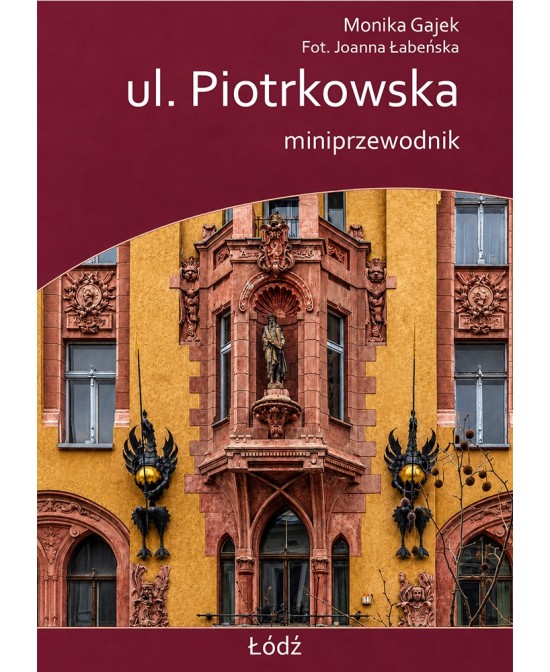
Zabierz miniprzewodnik na spacer i odkryj Piotrkowską, której nie widać na pierwszy rzut oka.
Odkryj ulicę Piotrkowską poza utartym szlakiem! Autorski miniprzewodnik po Łodzi poprowadzi Cię od placu Wolności aż do Stajni Jednorożców. Poznasz niezwykłe podwórka, zaskakujące detale architektoniczne, uliczne rzeźby oraz historie i anegdoty, których nie znajdziesz w typowych przewodnikach. Idealny towarzysz spaceru i wyjątkowa pamiątka z Łodzi.
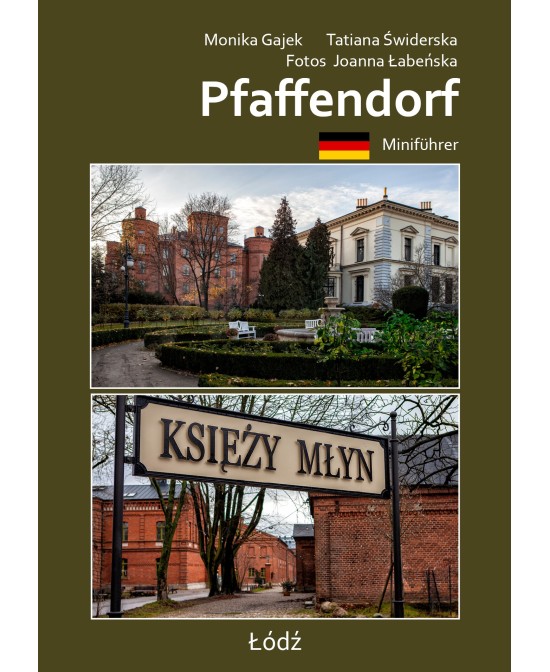
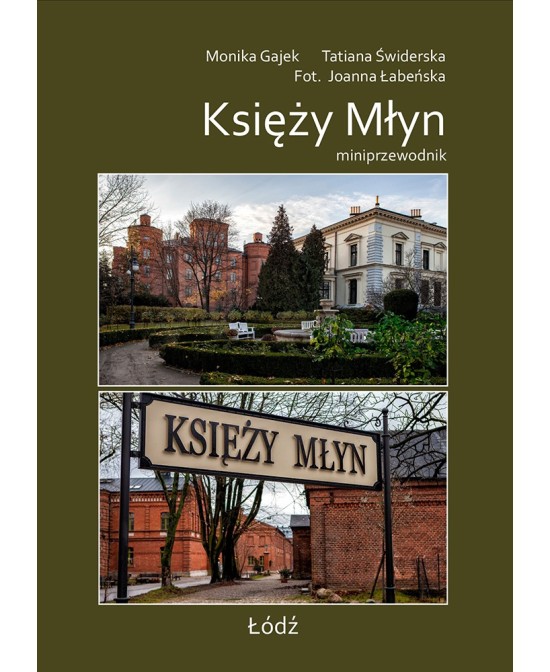
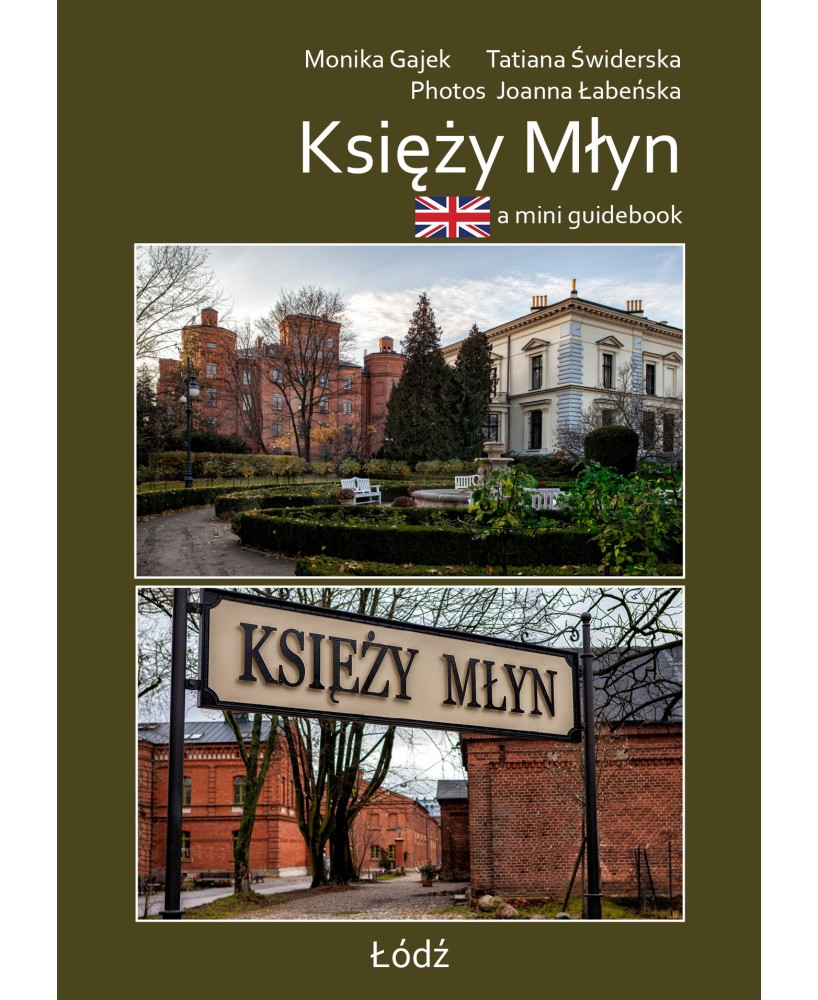
Odkryj Księży Młyn – wyjątkowe „miasto w mieście” ukryte w sercu Łodzi. Autorski miniprzewodnik opowiada historię przemysłowego imperium Scheiblerów i prowadzi po zabytkowych fabrykach, famułach, pałacach oraz miejscach, które tworzą niezwykły klimat tego osiedla. Idealny na samodzielny spacer, prezent lub pamiątkę z Łodzi.
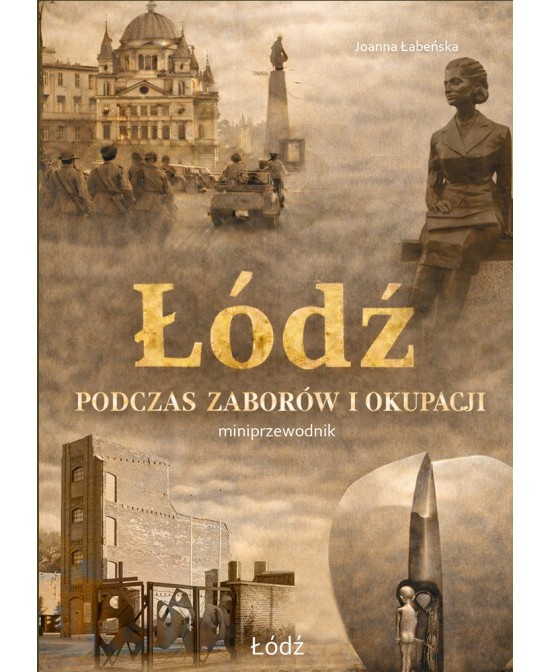
Praktyczny miniprzewodnik PDF po historii Łodzi w czasach zaborów i okupacji — dla osób, które chcą lepiej zrozumieć, jak wielka historia wpływała na rozwój miasta i losy jego mieszkańców.
• miniprzewodnik po historii Łodzi w czasach zaborów i okupacji
• e-book PDF do samodzielnego zwiedzania
• miejsca pamięci, historia miasta, wojny i przemiany polityczne
• praktyczny format do telefonu, tabletu lub komputera
Odkryj łódzkie muzea z zupełnie innej perspektywy! Autorski miniprzewodnik prowadzi przez najciekawsze placówki muzealne Łodzi, zwracając uwagę na ukryte detale, historię zabytkowych budynków, losy dawnych właścicieli oraz niezwykłe eksponaty. To idealny towarzysz zwiedzania dla turystów, mieszkańców i miłośników historii miasta.
Odkryj łódzkie muzea z zupełnie innej perspektywy! Autorski miniprzewodnik prowadzi przez najciekawsze placówki muzealne Łodzi, zwracając uwagę na ukryte detale, historię zabytkowych budynków, losy dawnych właścicieli oraz niezwykłe eksponaty. To idealny towarzysz zwiedzania dla turystów, mieszkańców i miłośników historii miasta.
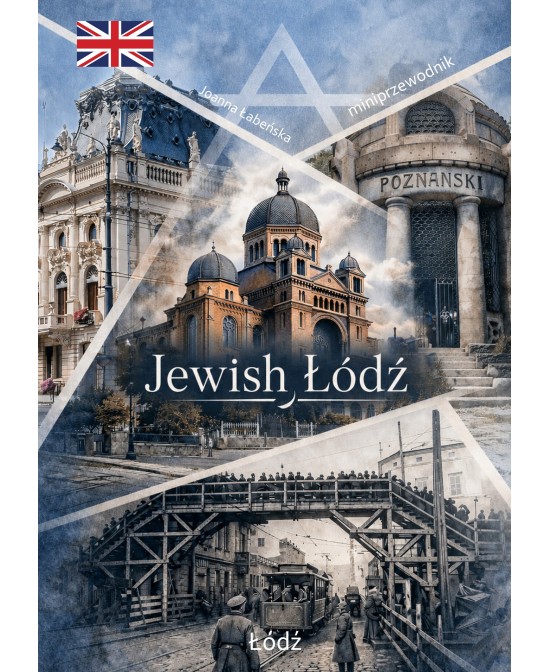
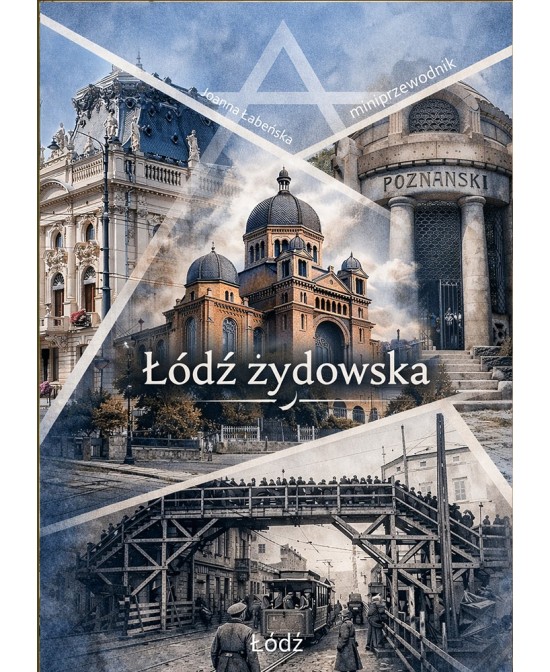
Poznaj żydowską historię Łodzi – od XIX-wiecznego rozwoju miasta, przez dramat getta, aż po miejsca pamięci obecne we współczesnej przestrzeni. Autorski miniprzewodnik prowadzi śladami synagog, Stacji Radegast, Parku Ocalałych oraz Cmentarza Żydowskiego. Wyjaśnia tradycje, symbole i wydarzenia, które pozwalają lepiej zrozumieć historię łódzkich Żydów oraz ich ogromny wkład w rozwój miasta.
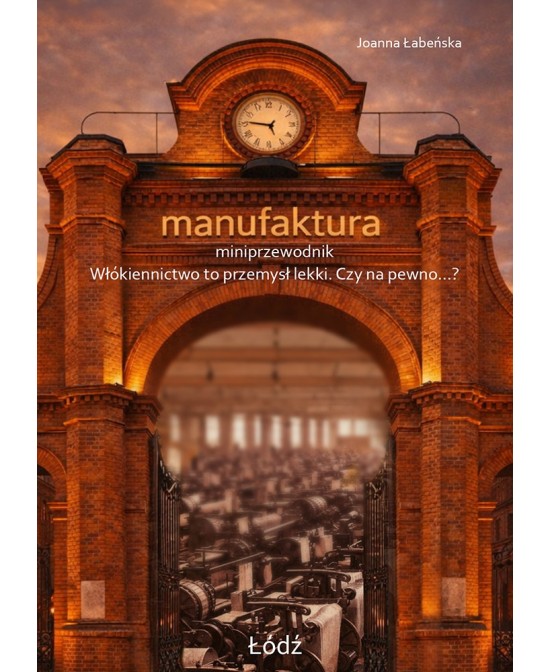
Odkryj historię Manufaktury – miejsca, w którym przemysłowa przeszłość Łodzi spotyka się ze współczesnością. Autorski miniprzewodnik przybliża dzieje fabrycznego imperium Izraela Poznańskiego, pokazuje kolejne etapy produkcji włókienniczej oraz opowiada o architekturze, rodzinie właścicieli i codziennym życiu robotników. Idealny na samodzielny spacer i jako pamiątka z Łodzi.
Praktyczny miniprzewodnik PDF po historii Łodzi w czasach zaborów i okupacji — dla osób, które chcą lepiej zrozumieć, jak wielka historia wpływała na rozwój miasta i losy jego mieszkańców.
• miniprzewodnik po historii Łodzi w czasach zaborów i okupacji
• e-book PDF do samodzielnego zwiedzania
• miejsca pamięci, historia miasta, wojny i przemiany polityczne
• praktyczny format do telefonu, tabletu lub komputera
Odkryj Księży Młyn – wyjątkowe „miasto w mieście” ukryte w sercu Łodzi. Autorski miniprzewodnik opowiada historię przemysłowego imperium Scheiblerów i prowadzi po zabytkowych fabrykach, famułach, pałacach oraz miejscach, które tworzą niezwykły klimat tego osiedla. Idealny na samodzielny spacer, prezent lub pamiątkę z Łodzi.
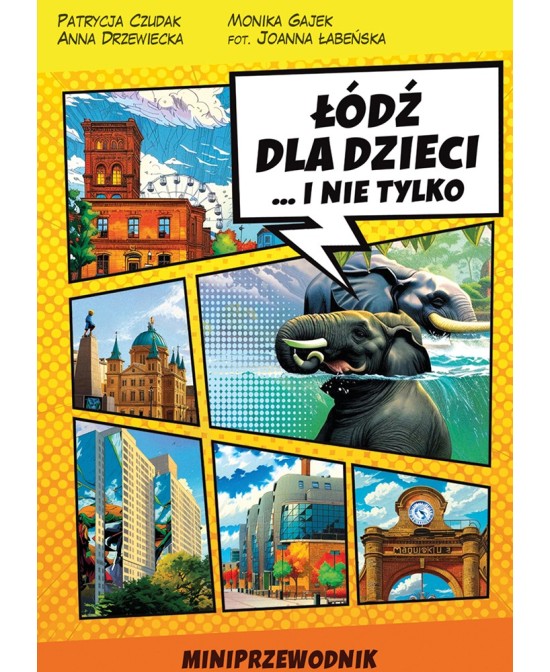
Rodzinny miniprzewodnik PDF po Łodzi dla dzieci, rodziców i nauczycieli — z ciekawostkami, zadaniami, mapą Kociego Szlaku, kodami QR, animacjami i grą podsumowującą wiedzę o mieście.
• rodzinny miniprzewodnik po Łodzi dla dzieci i dorosłych
• e-book PDF z ciekawostkami, zadaniami i mapą Kociego Szlaku
• kody QR z animacjami i dodatkowymi informacjami dla rodziców
• gra podsumowująca wiedzę o Łodzi dostępna przez kod QR na okładce

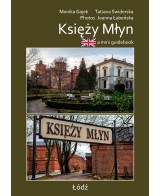
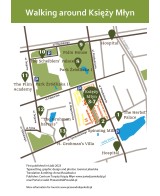
Discover Księży Młyn – Łódź’s extraordinary “city within a city”. This English-language mini guidebook introduces the industrial empire created by Karol Wilhelm Scheibler and leads readers through historic factories, workers’ housing, former owners’ residences and other remarkable buildings. A practical companion for independent sightseeing and a unique souvenir from Łódź.
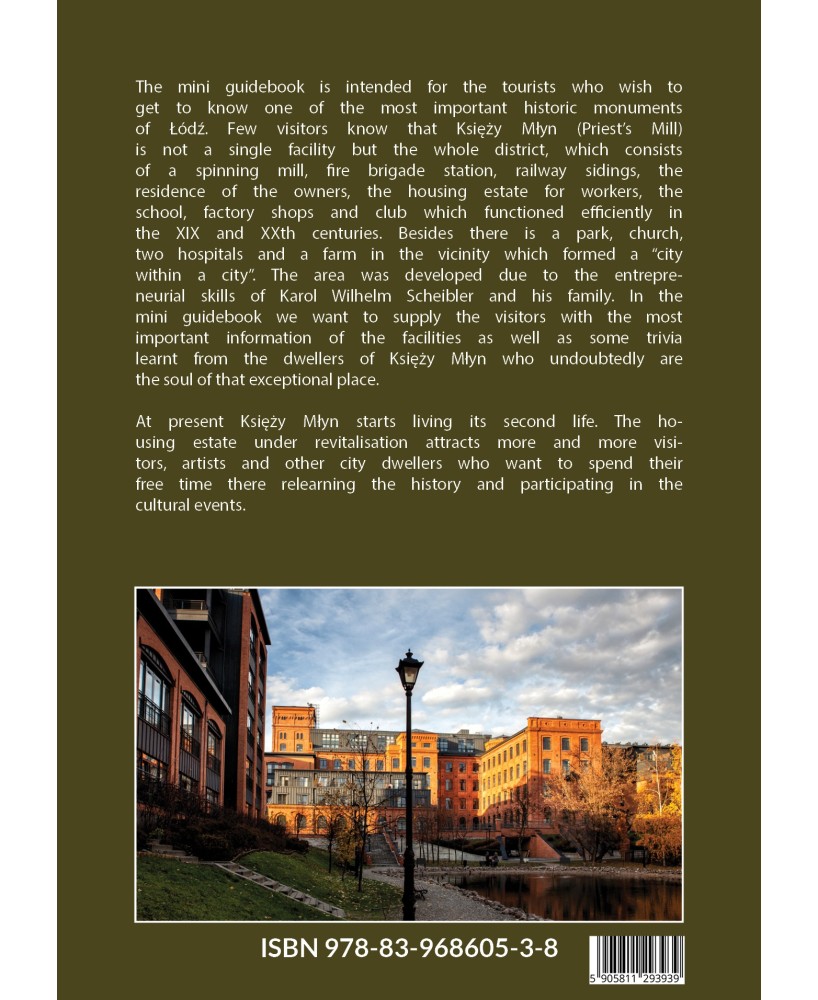
Księży Młyn, also known as Priest’s Mill, is one of the most important historic industrial complexes in Łódź. It is not a single factory building, but an entire district that once functioned as a self-sufficient “city within a city”.
This English-language mini guidebook to Księży Młyn was created for visitors who want to explore the industrial heritage of Łódź and understand how the textile empire established by Karol Wilhelm Scheibler and his family operated.
The publication introduces the most important buildings, explains their original functions and presents fascinating stories connected with the people who lived and worked there.
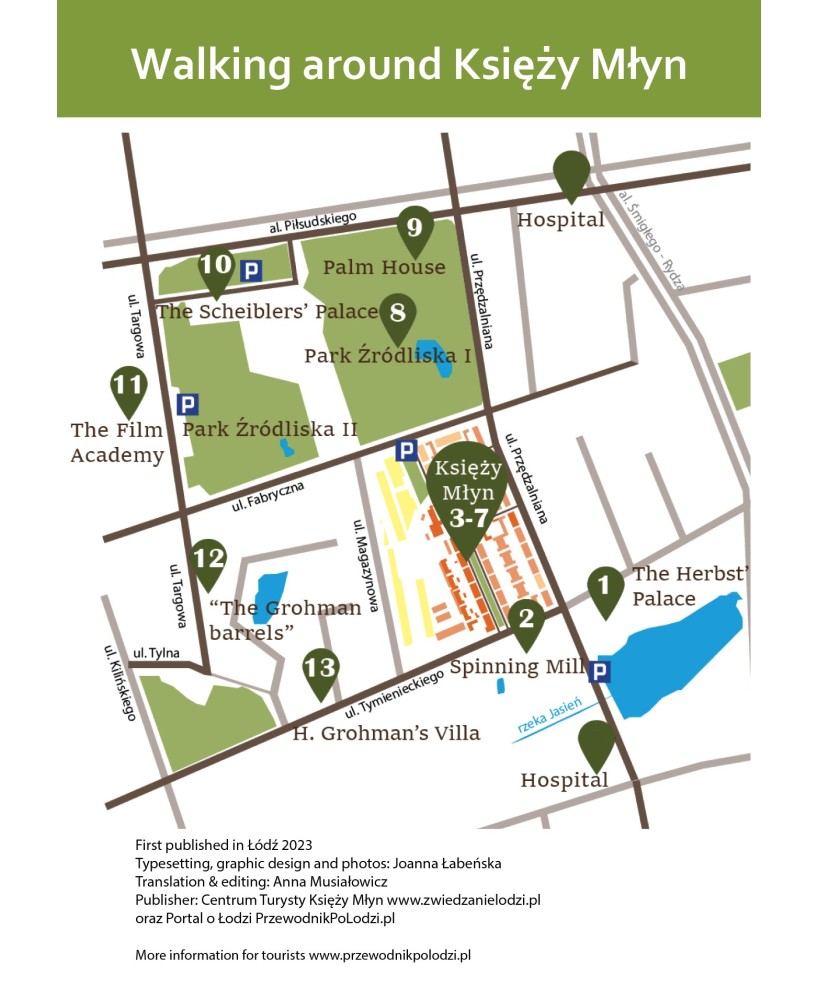
The Księży Młyn complex included much more than a spinning mill. It was a carefully planned district containing everything needed for the daily operation of the factory and the lives of its workers.
The area included:
Together, these buildings formed one of the most remarkable examples of nineteenth-century industrial urban planning in Łódź.
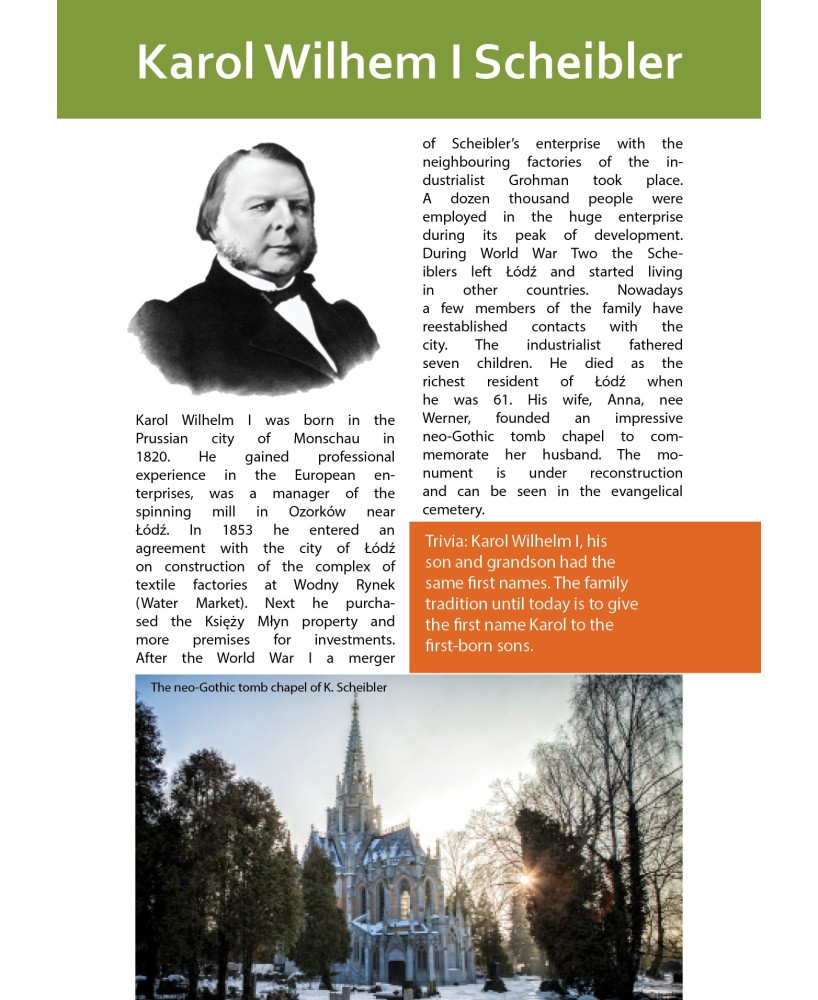
The rapid development of Księży Młyn was closely connected with the entrepreneurial skills of Karol Wilhelm Scheibler and his family. Their textile business became one of the largest industrial enterprises in Łódź and played an important role in the city’s growth.
The guidebook explains how the complex developed, how its individual buildings were used and how the factory influenced the everyday lives of its workers and their families.
The mini guidebook presents the most important historical information in an accessible and engaging way. It does not focus only on dates and architectural terminology, but also includes interesting facts, local stories and memories connected with the former residents of Księży Młyn.
Readers can learn more about:
Today, Księży Młyn is experiencing a second life. The revitalised workers’ housing, historic factories and public spaces attract residents, visitors, artists and photographers.
Cultural events, exhibitions and local initiatives bring new energy to the district, while its red-brick architecture, cobbled streets and industrial atmosphere preserve the memory of old Łódź.
The guidebook helps visitors recognise the traces of the former factory settlement and understand how its historical character has been adapted to modern city life.
Thanks to its compact format, the publication can be used directly during a walk around Księży Młyn. It helps visitors identify the most important buildings, understand their history and notice details that may otherwise be overlooked.
The guidebook is suitable both for first-time visitors and for people who already know Łódź but would like to explore its industrial heritage in greater depth.
The publication is ideal for:
Zabierz miniprzewodnik na spacer i odkryj Piotrkowską, której nie widać na pierwszy rzut oka.
Odkryj ulicę Piotrkowską poza utartym szlakiem! Autorski miniprzewodnik po Łodzi poprowadzi Cię od placu Wolności aż do Stajni Jednorożców. Poznasz niezwykłe podwórka, zaskakujące detale architektoniczne, uliczne rzeźby oraz historie i anegdoty, których nie znajdziesz w typowych przewodnikach. Idealny towarzysz spaceru i wyjątkowa pamiątka z Łodzi.
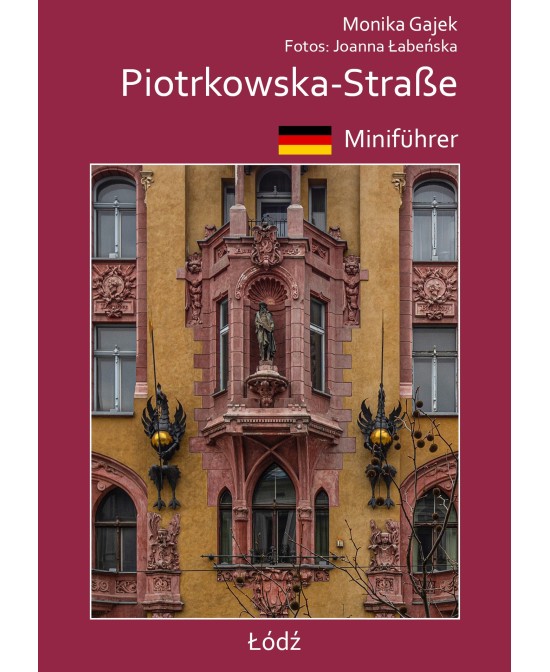
Entdecken Sie die Piotrkowska-Straße mit einem deutschsprachigen Mini-Reiseführer, der von lokalen Stadtführerinnen erstellt wurde. Der Rundgang führt vom Freiheitsplatz bis zum berühmten Einhornstall und zeigt versteckte Innenhöfe, überraschende architektonische Details, Straßenskulpturen sowie spannende Geschichten über Łódź. Ein praktischer Begleiter für die Stadtbesichtigung und ein originelles Souvenir aus Łódź.
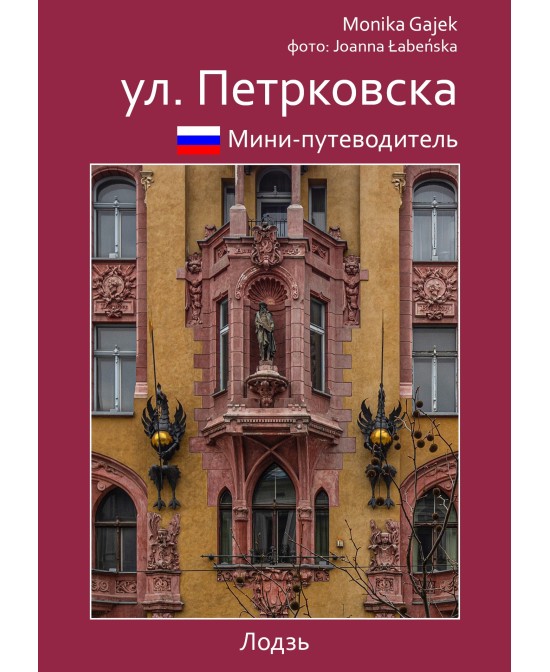
Откройте для себя улицу Пётрковскую вместе с русскоязычным мини-путеводителем, созданным местными экскурсоводами. Маршрут ведёт от площади Свободы до знаменитой «Конюшни единорогов» и помогает увидеть необычные внутренние дворы, архитектурные детали, уличные скульптуры и скрытые следы истории Лодзи. Практичный спутник для самостоятельной прогулки и оригинальный сувенир из города.
Discover the museums of Łódź through the eyes of local city guides. This English-language mini guidebook reveals hidden details in historic interiors, introduces the former owners of palaces and factories, and explains the stories behind selected exhibits. It is a practical companion for exploring the city’s history, architecture, film, textiles and industrial heritage.
Poznaj żydowską historię Łodzi – od XIX-wiecznego rozwoju miasta, przez dramat getta, aż po miejsca pamięci obecne we współczesnej przestrzeni. Autorski miniprzewodnik prowadzi śladami synagog, Stacji Radegast, Parku Ocalałych oraz Cmentarza Żydowskiego. Wyjaśnia tradycje, symbole i wydarzenia, które pozwalają lepiej zrozumieć historię łódzkich Żydów oraz ich ogromny wkład w rozwój miasta.
Discover the Jewish history of Łódź through the people, places and memories that shaped the city. This English-language mini guidebook presents the development of the Jewish community, the tragedy of the Łódź Ghetto, Radegast Station, Survivors’ Park and the Jewish Cemetery. It also explains religious traditions, symbols found on matzevot and the stories hidden throughout the city.
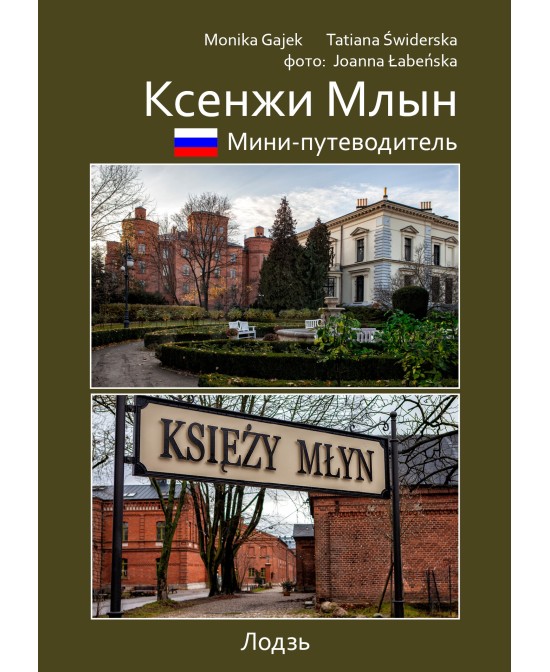
Откройте Ксенжи-Млын — удивительный «город в городе» и один из важнейших памятников промышленной Лодзи. Русскоязычный мини-путеводитель знакомит с текстильной империей семьи Шейблеров, историческими фабриками, рабочими домами, резиденциями владельцев и повседневной жизнью бывшего фабричного района. Практичный помощник для самостоятельной прогулки и оригинальный сувенир из Лодзи.
Odkryj Księży Młyn – wyjątkowe „miasto w mieście” ukryte w sercu Łodzi. Autorski miniprzewodnik opowiada historię przemysłowego imperium Scheiblerów i prowadzi po zabytkowych fabrykach, famułach, pałacach oraz miejscach, które tworzą niezwykły klimat tego osiedla. Idealny na samodzielny spacer, prezent lub pamiątkę z Łodzi.
Discover Księży Młyn – Łódź’s extraordinary “city within a city”. This English-language mini guidebook introduces the industrial empire created by Karol Wilhelm Scheibler and leads readers through historic factories, workers’ housing, former owners’ residences and other remarkable buildings. A practical companion for independent sightseeing and a unique souvenir from Łódź.